Why Drossing Flux Matters More Than You Think in Aluminum Melting
Wiki Article
In aluminum casting, most discussions revolve around furnace efficiency, alloy composition, and temperature control. Yet, one factor that quietly impacts both cost and quality often gets less attention than it deserves: dross management.
Anyone who has spent time on a shop floor knows that dross is unavoidable. But what many operations underestimate is how much usable aluminum is lost within it. The difference between average and optimized melting processes is not whether dross exists—but how effectively it is handled.
This is where a well-designed drossing flux becomes more than just a consumable.
The Hidden Cost Inside Aluminum Dross
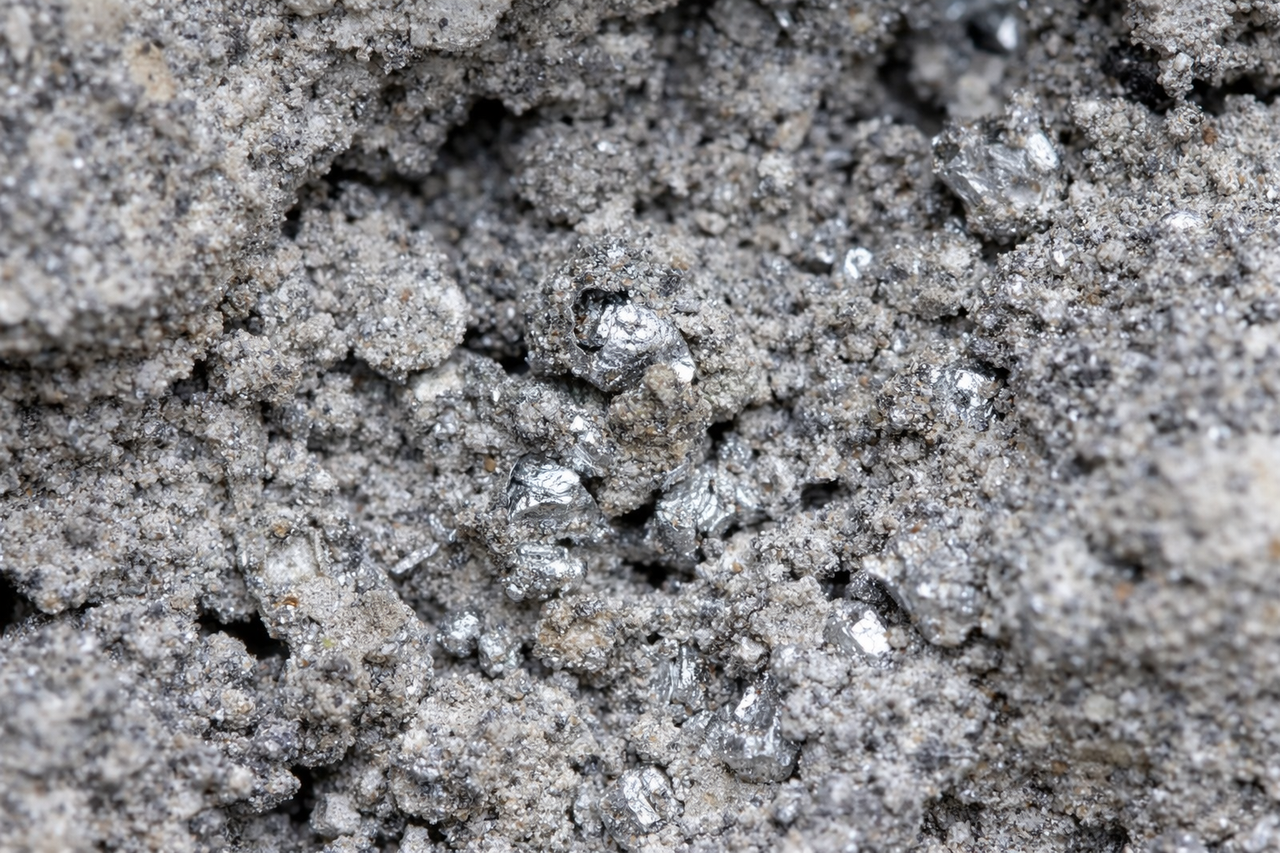
At first glance, dross appears to be waste. But in reality, it is a mixture of aluminum oxide and entrapped metallic aluminum.
In poorly controlled processes, a significant portion of aluminum remains trapped within oxide structures. Once skimmed off, that metal is effectively lost unless further recovery processes are used.
From practical observation in several casting facilities, it is not uncommon to see dross that still contains visible metallic particles. This is not just a material issue—it reflects how the melt surface is managed.
The goal, therefore, is not simply to remove dross quickly, but to maximize metal recovery before removal.
Why Traditional Practices Fall Short
Many foundries rely on habits developed over years of operation. While experience is valuable, some practices unintentionally increase dross loss.
For example:
- Localized flux addition (“spot dumping”) often leads to uneven reaction zones
- Aggressive stirring introduces air, accelerating oxidation
- Frequent skimming removes aluminum before proper separation occurs
These methods may appear efficient in the short term, but they often lead to heavier, metal-rich dross.
What is needed instead is a more controlled and consistent approach to surface treatment.
What Makes an Effective Drossing Flux?
Not all fluxes perform the same, even if they appear similar.
An effective drossing flux should:
- Promote aggregation of fine oxide particles
- Reduce adhesion between oxide films and aluminum droplets
- Form a stable surface layer that limits oxidation
- Allow trapped metal to return to the melt before slag removal
Modern formulations increasingly rely on balanced mineral systems that emphasize physical separation mechanisms, rather than purely chemical reactions.
In practice, the performance of a flux is closely tied to how it behaves during application—not just its composition on paper.
The Role of Application Technique
Even the best material can underperform if applied incorrectly.
One of the most overlooked factors in dross control is how the flux is introduced to the melt.
A simple change—from adding flux in a single location to spreading it evenly across the surface—can significantly improve results. This ensures consistent interaction between the flux and oxide layer.
Equally important is timing. Adding flux when the melt surface is relatively stable allows for better reaction and separation.
In real production environments, operators who focus on uniform coverage and controlled timing often achieve better results than those who rely on higher dosage.
Real Improvements Come from Small Adjustments
In one mid-sized aluminum casting operation, a change in flux application method—combined with a switch to a more stable drossing flux—resulted in noticeable improvements within weeks.
The dross became lighter and less metallic, and the overall loss rate decreased. More importantly, the process became more predictable, reducing variability between batches.
This kind of improvement is not unusual. It reflects a broader principle:
Efficiency in aluminum melting is often gained through refinement, not overhaul.
Why Drossing Flux Is Becoming More Critical
Several industry trends are making dross control more important than ever:
Increased use of recycled aluminum
More impurities mean more oxide formation and higher dross volume.
Higher quality requirements
Modern applications demand cleaner melts and fewer defects.
Cost pressure
Metal loss directly affects profitability, especially at scale.
As a result, drossing flux is no longer just a supporting material—it is part of a broader strategy for process optimization.
Choosing the Right Approach
Selecting a drossing flux should not be based solely on price or habit.
Instead, it should consider:
- Melt condition and scrap quality
- Furnace type and operating temperature
- Desired balance between recovery and efficiency
Equally important is working with suppliers who understand not just the material, but the process behind it.
For those looking to explore practical approaches and real application insights, this guide on drossing flux offers a useful starting point.
Conclusion
Dross will always be part of aluminum melting. But excessive metal loss does not have to be.
The difference lies in how the melt surface is managed, how flux is applied, and how consistently the process is controlled.
In many cases, the most effective improvements do not come from major investments, but from a better understanding of small details—details that, over time, make a measurable difference.